
Understanding how European countries qualify for World Cup 2026
How European countries qualify for World Cup tournaments involves navigating a complex landscape of group stages where only the top performers advance directly. For those eager to track every tactical shift and live update, soccerwaymobi.com provides comprehensive data to help you follow your favorite national teams throughout their journey.
The path to North America: How European countries qualify for World Cup 2026
The expansion of the FIFA World Cup to a 48-team format has significantly altered the landscape for UEFA nations, with Europe now being allocated a total of 16 slots. This increase is designed to accommodate more of the continent's elite talent on the global stage. According to the tactical overviews provided by soccerwaymobi, the qualification process was divided into two primary phases: the group stage and the high-stakes play-off round.
Twelve of the available slots were awarded directly to the winners of the qualifying groups. These teams secured their positions by finishing at the top of their respective tables after a rigorous qualifying series. The remaining four positions were determined via a play-off system involving the 12 group runners-up and the four best-ranked UEFA Nations League group winners who had not already secured a top-two spot in their qualifying groups. These 16 teams were placed into four distinct play-off paths, where one winner from each path claimed the final tickets to the tournament hosted across Canada, Mexico, and the United States.
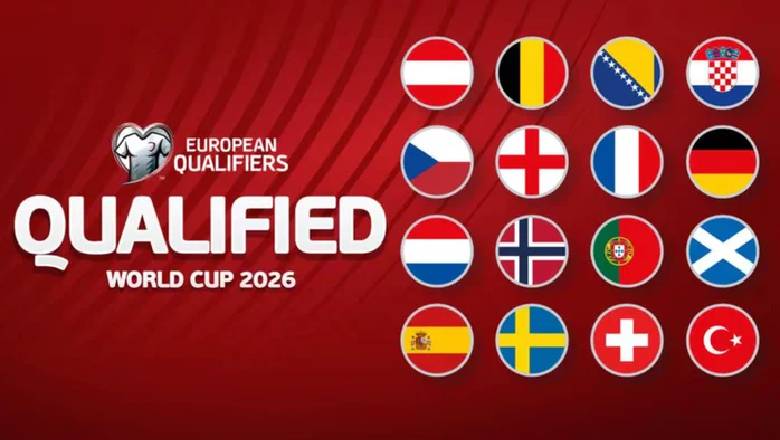
UEFA allocates 16 World Cup 2026 slots through group winners and play off battles
Continental representatives: Analyzing the qualified European squads
The following nations successfully navigated the qualification gauntlet to represent Europe at the 2026 finals. Per the latest data on soccerwaymobi, here is a look at the teams that secured their places.
Austria and Belgium
Austria secured their first finals appearance since 1998 by winning Group H, powered by veteran Marko Arnautović's eight goals. Belgium, known as the Red Devils, won Group J convincingly to reach their fourth consecutive World Cup. They hope a mix of stars like Kevin De Bruyne and young talents like Jeremy Doku will lead them to success after a disappointing 2022 exit.
Bosnia and Herzegovina and Croatia
Bosnia and Herzegovina qualified through Path A of the play-offs by defeating Wales and Italy on penalties, marking their second major tournament appearance. Croatia won Group L with a nearly perfect record, continuing their streak of excellence. Manager Zlatko Dalić still relies on the peerless midfield control of 40-year-old Luka Modrić.

Bosnia and Herzegovina and Croatia reach the 2026 World Cup via play-offs and group success
Czechia and England
Czechia navigated Path D of the play-offs, defeating the Republic of Ireland and Denmark in penalty shootouts. Coach Miroslav Koubek relied on experienced players like Tomáš Souček and Patrik Schick to secure their spot. England cruised through Group K under Thomas Tuchel, finishing with a perfect record of 22 goals scored and none conceded.
France and Germany
France won Group D to reach their eighth consecutive World Cup finals, aiming for a third straight appearance in the title match. Led by Kylian Mbappé, they remain a heavy favorite. Germany secured Group A despite an early stumble, introducing a new generation featuring Florian Wirtz and Nick Woltemade as they chase their fifth world title.
Netherlands and Norway
The Netherlands won Group G after a tight race, with stars Virgil van Dijk and Memphis Depay leading the charge for their first World Cup trophy. Norway ended a 28-year wait by winning Group I. Erling Haaland was instrumental with 16 goals, and along with Martin Ødegaard, they look to surprise the world in North America.
Portugal and Scotland
Portugal reached their seventh consecutive tournament by winning Group F, potentially marking Cristiano Ronaldo's international finale. Scotland secured Group C with a dramatic final-day win over Denmark at Hampden Park. Manager Steve Clarke has built a resilient side featuring Champions League experience from players like Andy Robertson and John McGinn.
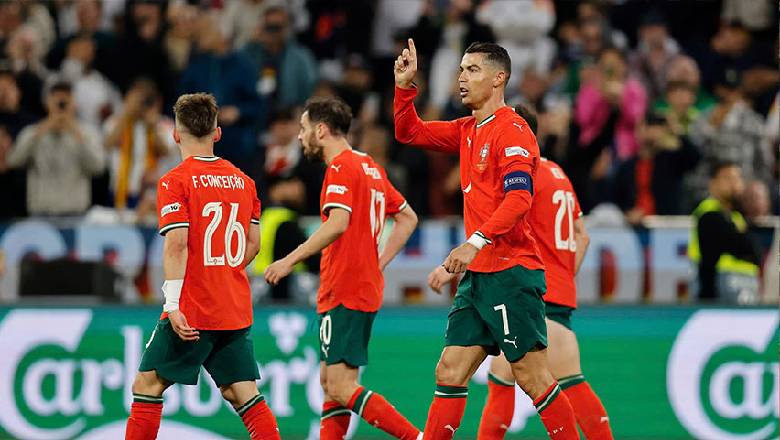
Portugal and Scotland secure 2026 World Cup spots after impressive qualifying runs
Spain and Switzerland
Spain eased to qualification as Group E winners and reigning EURO 2024 champions, looking to improve on recent round of 16 exits. Switzerland qualified for their sixth successive World Cup by winning Group B. Despite the retirement of Xherdan Shaqiri, they retain high quality with Manuel Akanji and Granit Xhaka.
Sweden and Türkiye
Sweden secured their return to the finals by defeating Ukraine and Poland in the Path B play-offs under Graham Potter. Türkiye reached the World Cup for the first time since 2002 by winning the Path C play-offs against Romania and Kosovo. They blend Hakan Çalhanoğlu’s experience with exciting prospects like Arda Güler and Kenan Yıldız.
How European countries qualify for World Cup glory is a testament to the high level of competition found across the continent's elite football programs. Don't forget to visit our fixtures section to stay updated on upcoming matches, and we wish you the very best of luck with all your football assessments!
The Most Popular
-
 When does the Serie A season start this football year?
 -
 The birthplace of the game: Why is football so popular in England?
 -
 Unbelievable scorelines: England biggest defeat in football history
 -
 Feel the roar: A guide to the best atmospheres in European football
 -
 Discover players who played for Barcelona and Juventus
 -
 Tactical breakdown: What position does Mbappe play in Real Madrid?
 -
 Comparing legends: Who is the best Australian soccer player ever?
 -
 Legendary status: The best Croatian football player and his achievements
 -
 The collection: How many Carabao Cup has Chelsea won under various managers?
 -
 Euro U21 top scorers: Ranking the most efficient youngsters