
Interim Darren Fletcher hits back at Ruben Amorim over criticism of Man United academy players
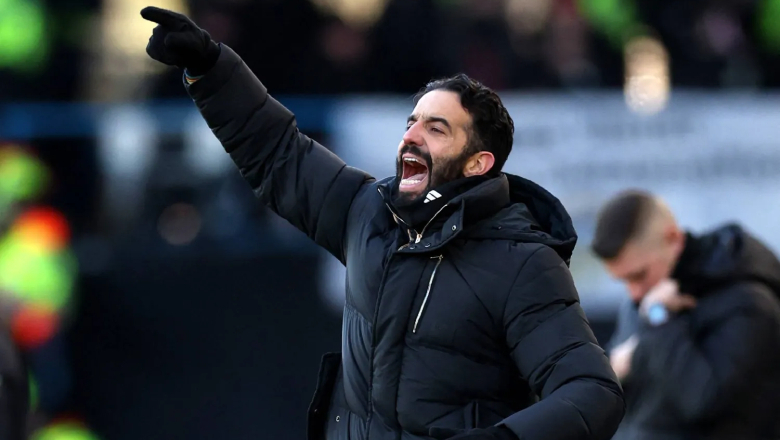
Darren Fletcher has publicly defended Manchester United’s academy system after comments made by Ruben Amorim during the final weeks of his tenure raised questions about the mentality of the club’s emerging talent.
Amorim’s remarks, which suggested that certain young players carried a sense of entitlement, sparked debate among supporters and observers alike. The former head coach had previously singled out the struggles of teenagers such as Harry Amass and Chido Obi, while also showing reluctance to lean on youth despite mounting injury problems in the senior squad.
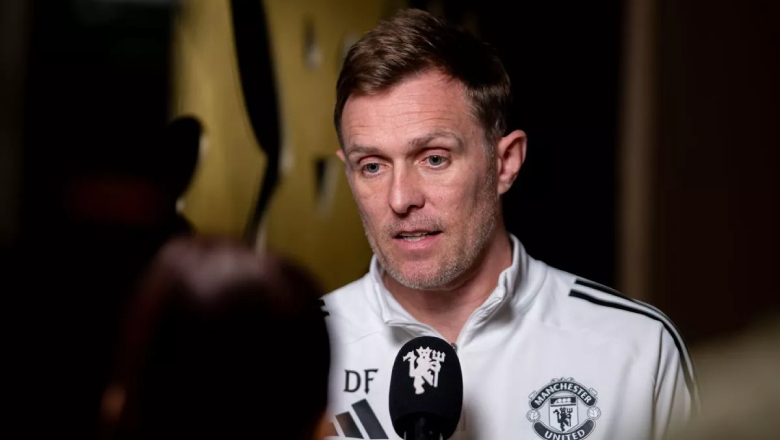
Fletcher, however, has taken a markedly different stance. Appointed as interim head coach following Amorim’s dismissal, he wasted little time in placing trust in the academy, handing 18-year-old Shea Lacey a significant opportunity against Burnley. Lacey nearly crowned his appearance with a dramatic late winner, offering a glimpse of the talent Fletcher believes deserves patience and belief.
Speaking ahead of United’s FA Cup clash with Brighton, Fletcher firmly rejected the notion that the club’s youngsters lack the right attitude. Drawing on his experience as under-18s coach, he stressed that the academy remains one of the strongest pillars of the club’s identity.
Manchester United’s history, Fletcher argued, speaks louder than any recent criticism. The club’s tradition of producing first-team players through its youth system is unmatched globally, and he sees no reason to doubt its current generation. According to Fletcher, what stands out most is not arrogance, but a willingness to work, learn and improve.
He acknowledged that young players are far from finished products. Mistakes, inconsistency and growing pains are inevitable at that stage of development, particularly when players are exposed to senior football earlier than expected. However, Fletcher views those challenges as part of a natural learning curve rather than a reflection of poor mentality.
The contrast between Amorim’s approach and Fletcher’s philosophy has become increasingly clear. Where the former opted for caution and experience, the interim boss appears more inclined to use youth as a resource rather than a risk. That shift could have significant implications for United’s short-term direction as well as the long-term futures of several academy prospects.
Supporters have long prided themselves on the club’s commitment to developing homegrown talent, and Fletcher’s comments are likely to resonate strongly with a fanbase eager to see that tradition preserved. His defence of the academy suggests a belief that cultural identity and competitive ambition do not need to be mutually exclusive. As United navigate another transitional period, the handling of young players may prove to be one of the defining themes. Fletcher’s message is clear: the pathway from the academy remains open, and the character of those coming through should not be questioned lightly.
The Most Popular
-
 When does the Serie A season start this football year?
 -
 The birthplace of the game: Why is football so popular in England?
 -
 Unbelievable scorelines: England biggest defeat in football history
 -
 Feel the roar: A guide to the best atmospheres in European football
 -
 Discover players who played for Barcelona and Juventus
 -
 Tactical breakdown: What position does Mbappe play in Real Madrid?
 -
 Understanding how European countries qualify for World Cup 2026
 -
 Comparing legends: Who is the best Australian soccer player ever?
 -
 Legendary status: The best Croatian football player and his achievements
 -
 The collection: How many Carabao Cup has Chelsea won under various managers?